
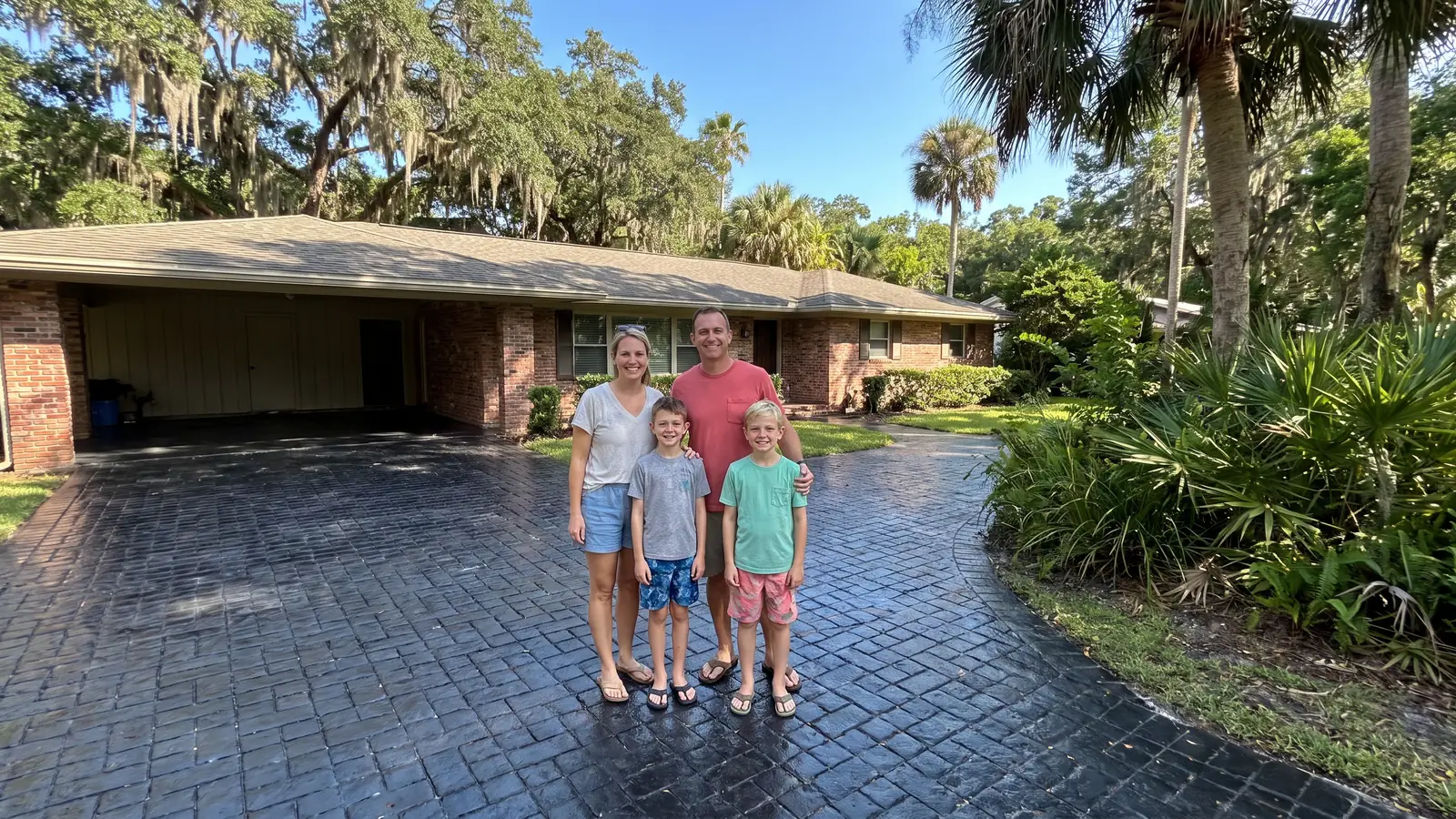
Paver sealing for Atlantic Beach homes
Paver Sealing in Atlantic Beach, FL
Salt air, marsh breezes and live oaks all touch Atlantic Beach pavers, so call (904) 944-6930 for a free sealing estimate.
- Brings out deeper paver color
- Fresh joint sand helps lock pavers in place
- Gives weeds less room to grow
- Makes the surface easier to keep clean
- Free estimate, no obligation
Request a Free Estimate
Free, no obligation.
Fast, careful paver sealing in Atlantic Beach
Paver sealing in Atlantic Beach is available from a local contractor, and the estimate is free. Replies land within 1 business day, frequently well before. To start, call (904) 944-6930 and say if you are near the Intracoastal or closer to Atlantic Boulevard.
Salt dries white on a pale driveway, the joints are thin, and a corner under the live oak has gone green. A wash, fresh sand and a protective coat make the whole surface look kept up again. Ask for the details and you can ask for your free estimate without any obligation.
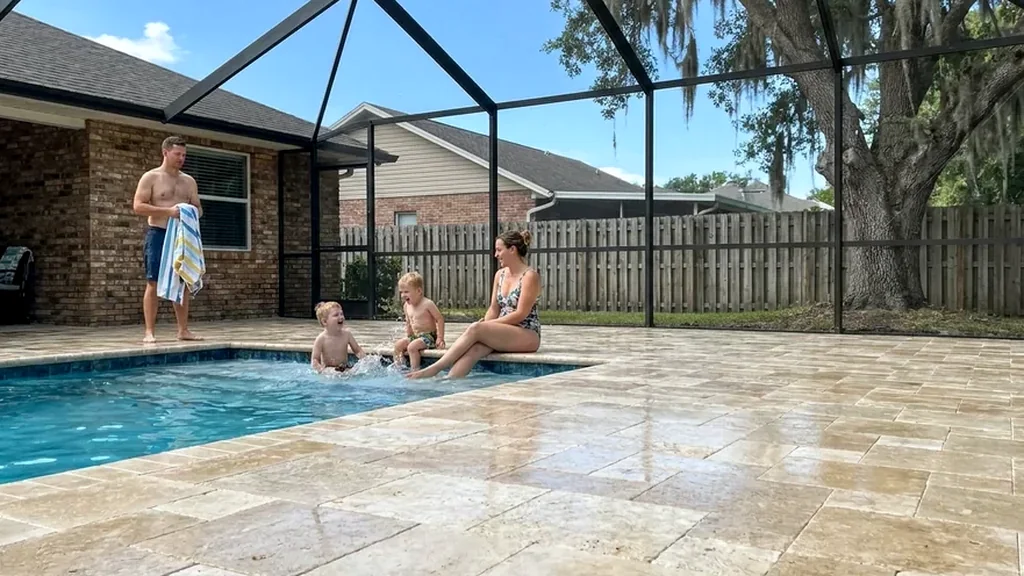
Why hire a local paver sealing contractor in Atlantic Beach?
On a barrier island, salt, tide and storm water add to the usual sun and rain. If you want a contractor who plans for that, ask for your free estimate.
Free look, then a price
A local contractor inspects your Atlantic Beach driveway, patio or pool deck and quotes it before anything is agreed, with no charge.
A range to hold quotes against
A published range of $1.75 to $3.25 per square foot is common around Northeast Florida for a full clean, sand and seal.
Finish for coastal light
Matte hides scuffs and salt marks better. A wet look gives deeper color but shows wear sooner.
Your call, every step
You choose the date, the finish and the surfaces. An Atlantic Beach estimate comes with no obligation.
Get Your Free Estimate in Atlantic Beach
Tell us about your pavers in Atlantic Beach.
Free, no obligation
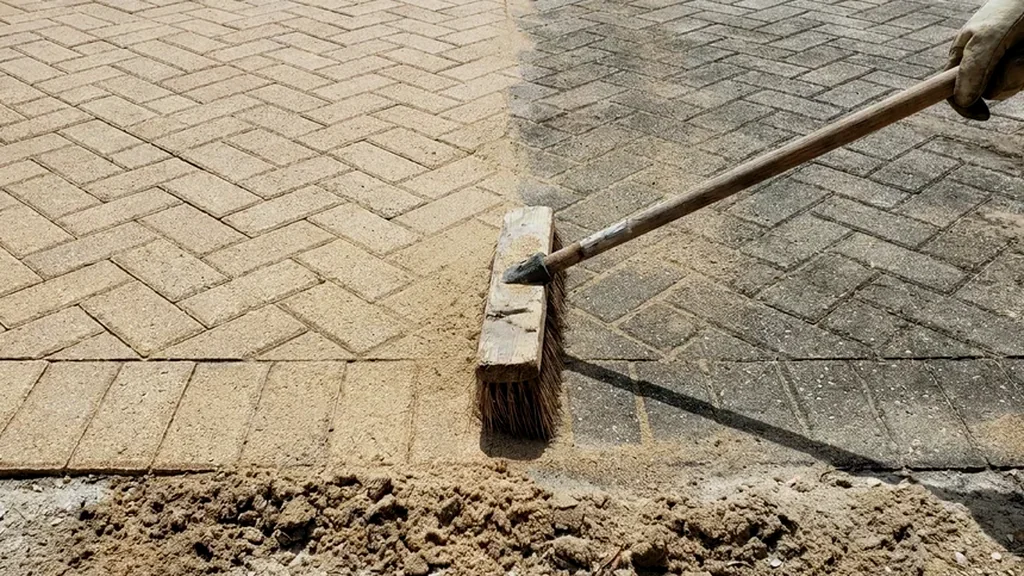
What paver problems show up most in Atlantic Beach?
Salt that dries on the surface
According to a paver maker, airborne salt lands in tiny particles and forms crystals as the moisture dries. Light pavers show salt residue and splash marks first. University of Florida says people within a couple of miles of salt water have likely seen salt spray damage on plants. Atlantic Beach sits between the ocean and the Intracoastal, so most homes are in that zone. Light-colored pavers show it most, which is why a driveway that looked clean in spring can look chalky by fall. A sealed surface lets you rinse the salt off before it settles in. Dutton Island Preserve has sand dunes and marsh edges, a reminder that the ground here is sandy and the air is salty. A sealed surface is easier to rinse than bare stone.
Tide, marsh and storm water
The city says Aquatic Gardens has had significant and repeated flooding, and during Hurricane Irma in 2017 a flash flood emergency was declared. Water that has stood on a driveway leaves silt in the joints. Sealer would trap that silt, which means a wash comes first. Sunken spots may also need to be reset where water has run under the edge. The city built a stormwater project at Aquatic Gardens designed for a 25-year storm, which tells you how often water is on the mind of the people who live there. Silt settles most easily into joints that have already lost their sand. The Aquatic Gardens project cost $2,934,751 in state and federal grants, with major parts finished by March 2026. Even so, the city says it does not change FEMA flood maps, so owners still plan for high water.
Shade from protected live oaks
In July 2026 the city tightened its tree rules after a 200-year-old live oak was cut down on West First Street. Trees 20 inches across are now harder to remove, so shade tends to stay for good. Under an old oak, pavers stay damp and pick up leaf tannin and green film. A Jacksonville paver company says tannin can soak in for good on unsealed pavers. Sealing cannot remove shade, but it helps keep the stain from setting. Trimming is a question for the tree owner and the city. Johansen Park keeps an official Heritage Tree, which shows how much old canopy the town protects. Shade here is a long-term fact, not a passing one.
White haze that comes back
Efflorescence is the chalky haze that appears when moisture moves through cement pavers and leaves minerals on top. The same paver maker says it can occur on coastal patios. Sealing over it only hides it for a while. The contractor treats it during the wash so the coat goes over clean stone. A sealer also does not stop minerals from moving through the stone, so a clean start matters more than a thick coat. If the white haze keeps coming back after a wash, tell the contractor. That points to moisture moving through the stone rather than surface dirt.
Slick pool decks and wet steps
A Jacksonville cost guide says film-forming sealers can make a pool deck slippery, so most pool decks get a penetrating sealer. A deck near the beach stays wet and gets sun, so grip matters. Ask which product is going on and whether it keeps traction when wet. A wrong choice is hard to undo. Steps and the pool edge matter most, since wet feet and a smooth coating are a poor mix. Steps down to the pool and the deck edge are the spots to ask about, since those are where bare, wet feet land.
Do Intracoastal homes and Atlantic Boulevard homes need different paver care?
Somewhat, yes. Homes close to the water deal with more salt, and the Intracoastal side also floods more easily. Tide Views Preserve on Begonia Street looks across the waterway, and a paddling trail runs from there to Dutton Island Preserve through 350 acres of marsh and islands. If you live near that edge, say so when you ask for your free estimate.
Homes in the Atlantic Beach Country Club area are newer. The old Selva Marina Country Club opened in 1958, and the new club opened in January 2015 with a neighborhood of 178 homesites. Pavers installed around then are now near the point where companies suggest a first reseal, which is every two to five years. Call (904) 944-6930 if yours has not been touched since it was laid.
Royal Palms has 186 homes built between 1960 and 2023, so surfaces there vary in age. Older drives may carry unknown sealer, and newer ones may have none at all. If an HOA applies, state law keeps its review within what its own documents state. Read yours, then ask for your free estimate.
What does paver sealing cost in Atlantic Beach?
Price lists around Northeast Florida commonly show $1.75 to $3.25 per square foot to clean, sand and seal. In Atlantic Beach, salt buildup, flood silt and old coats are the usual reasons a job lands higher in that range. Smaller courtyards cost more per square foot than wide drives. To find where your pavers fall, ask for your free estimate.
The city counts driveways, patios and walkways toward its lot coverage limit, which fell from 50 to 45 percent in 2019. That makes it worth keeping the pavers you already have in good shape. A pool deck usually needs a penetrating sealer, which can change the cost. Call (904) 944-6930 and the contractor can go through the choices.
| Paved area | Typical example | Clean, sand and seal |
|---|---|---|
| 300 sq ft | Small patio or walkway | $525 to $975 |
| 600 sq ft | Two car driveway | $1,050 to $1,950 |
| 1,000 sq ft | Large driveway or pool deck | $1,750 to $3,250 |
| 1,500 sq ft | Driveway plus pool deck | $2,625 to $4,875 |
Math based on the $1.75 to $3.25 per square foot that Northeast Florida paver companies published as of November 2026. Your contractor sets the actual price after seeing the surface. Repairs, leveling and stripping failed sealer are usually extra.
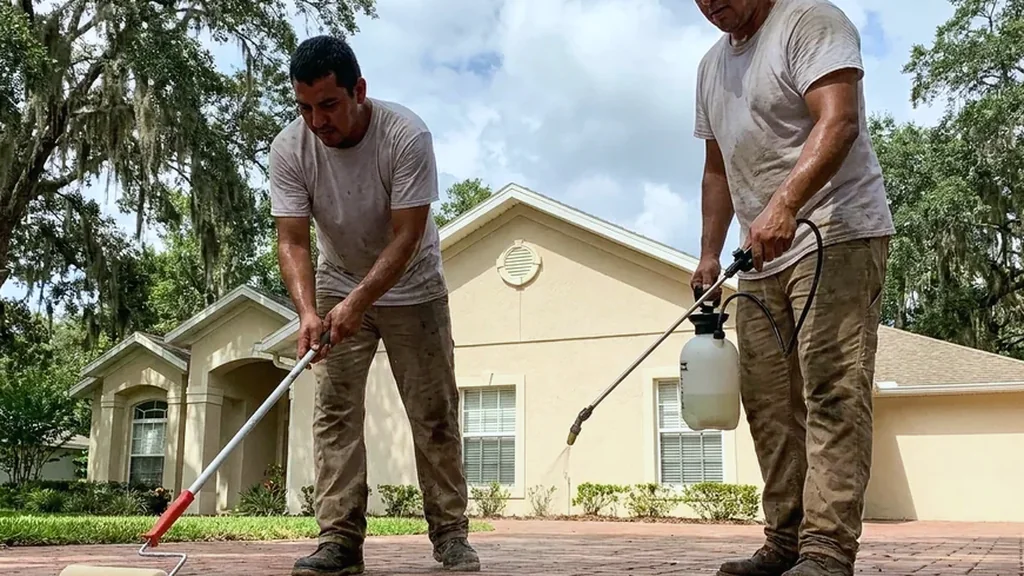
How does a paver sealing job work in Atlantic Beach?
Inspect the surface and the water path
The contractor walks your Atlantic Beach property and checks where rain and tide water sit. Salt marks, silt and green film are noted. Any sunken pavers are marked for repair, since sealing over a dip locks it in. The old coat is identified so the right product is chosen. Point out any spot where water sits after a storm. Ask the contractor to explain what they see as they go.
Wash away the salt and silt
A careful wash removes salt crust, silt and algae. Pressure is kept below the level that can strip concrete pavers. Efflorescence and oil are treated before the rinse. Water is kept off wood siding, plants and the edge of the pool. Doing this right the first time is what makes the later steps work. Washing also shows which spots are stained or cracked and which are only dirty.
Dry out and replace the sand
Pavers dry fully before sand and sealer go on, and a damp deck can take a day or two. Sand leaves the joints during the wash, so new sand is swept in and compacted. Tight joints hold the field together. They also give weeds less room. Sand that is the right grade for the joint width stays put better. Allow for the weather, since a damp morning can push this step to the next day.
Apply thin coats and roll them in
The sealer goes on in even sprayed passes, then a roller works it into the joints. Thin coats cure clear, and a thick coat on damp stone can go cloudy. Pool decks get the penetrating product that keeps grip. Edges at the garage and the lawn are cut in by hand. You can see the difference between the coated and uncoated stone right away. This is the step that gives the surface its color and its protection.
Let it cure and check the result
Walking is usually fine in a few hours, while cars should stay off for about a day. The contractor looks over the finish with you. Ask how often to hose off salt as the coat ages. Two to five years is the usual gap companies quote before the next coat. Write down the date, so you know when to look at the surface again.
Complete paver services in Atlantic Beach
An Atlantic Beach job starts with a wash that removes salt film, green growth and silt. Fresh joint sand goes in next, and then sealer is sprayed and rolled on. Each step has to finish before the next begins, and a few steps need a dry day between them. To have the work laid out for your lot, ask for your free estimate.
Driveways, front walks, courtyards and pool decks all see different wear near the coast. Drives take tire marks and salt. Pool decks take sun, splash and bare feet. Tell the contractor what you have when you call (904) 944-6930, and ask for each surface to be priced alone.
Sealers split into film-forming types, which sit on top and hold the sand, and penetrating types, which soak in and keep the natural look. Matte suits coastal glare better than a high gloss. Water-based product cannot go over solvent-based product, so the old coat matters. Ask the contractor to name the product, and ask for your free estimate if you want to compare.
Timing is about dry days. Sealer needs a dry surface, and rain and salt fog can delay a coat. The wet season runs June to September on this coast, so fall is easier to plan. Cars usually wait about a day, so call (904) 944-6930 to find an open window.
Questions to ask before you hire
- Will the finish stay slip resistant around my pool?
- Can you do a trial patch on one corner of my driveway before the full job?
- Can you get the white haze of efflorescence off my pavers?
- How will I know when my pavers are due for another coat?
- Who decides to reschedule when storms are in the forecast?
- Do you wash at a low pressure so the joint sand stays where it is?
- Will you move my planters and furniture, or do I clear the area first?
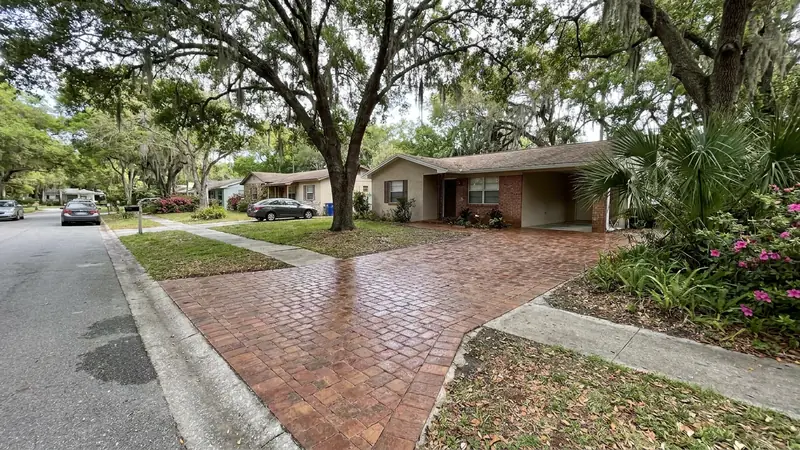
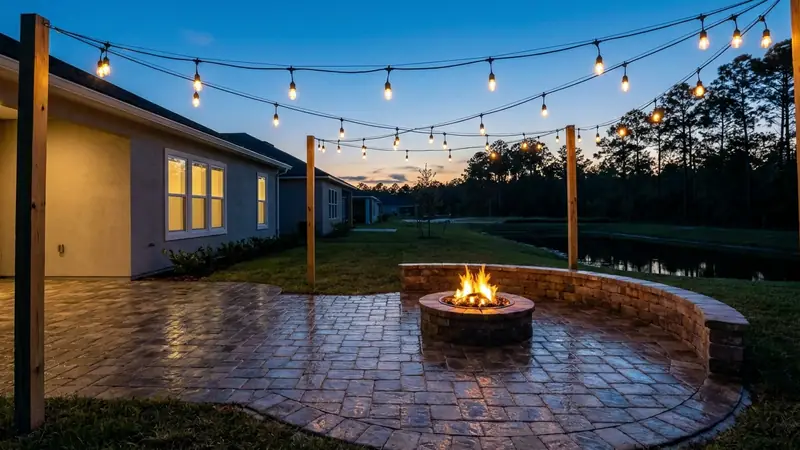
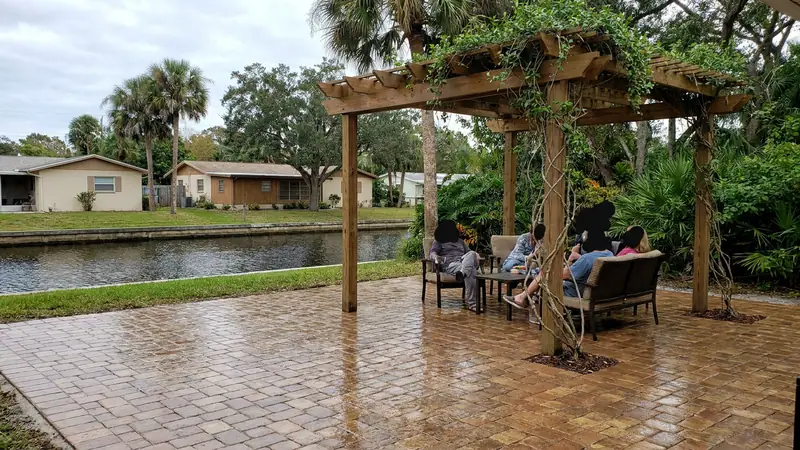
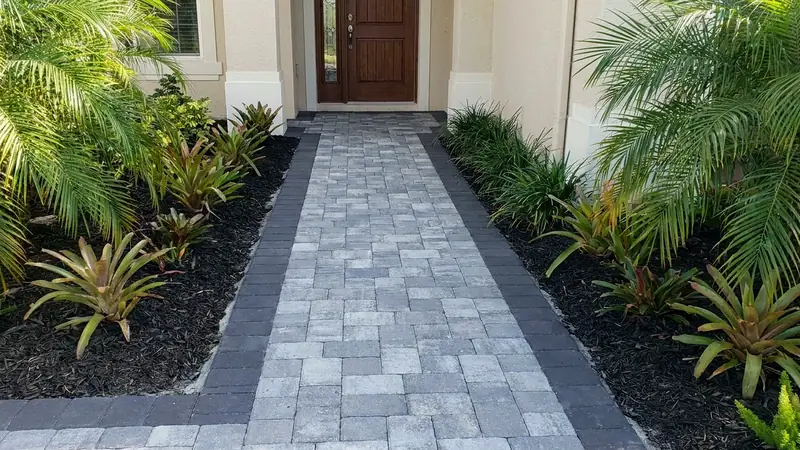
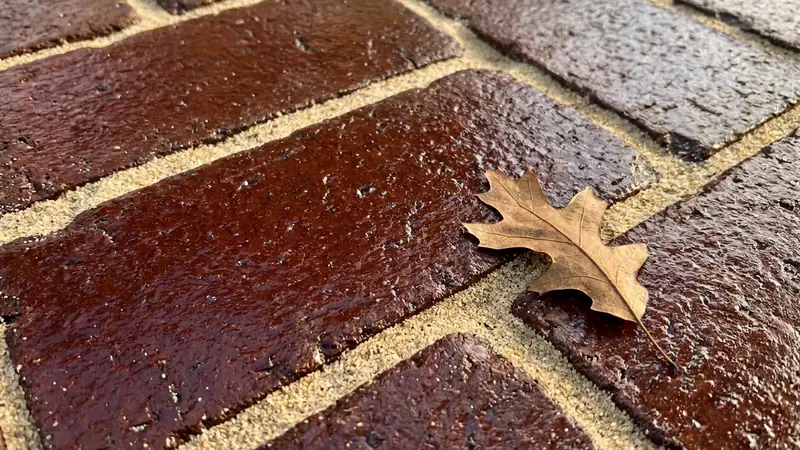
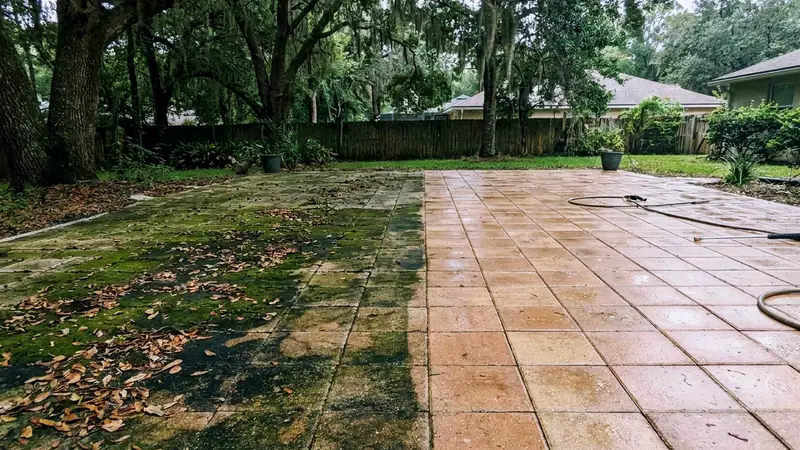
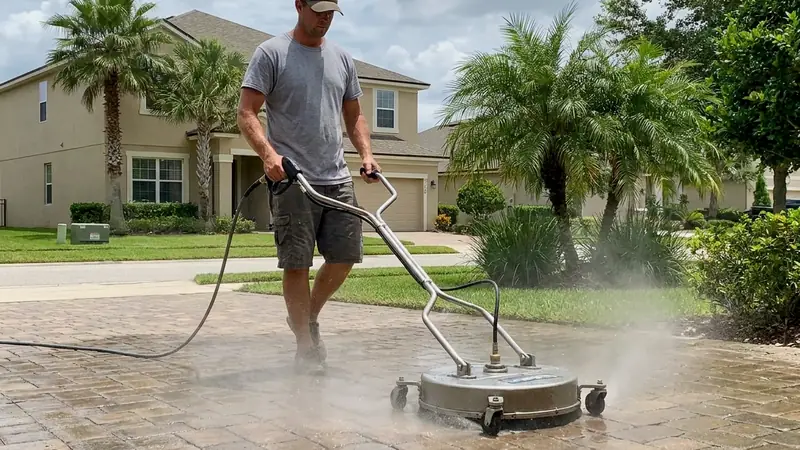
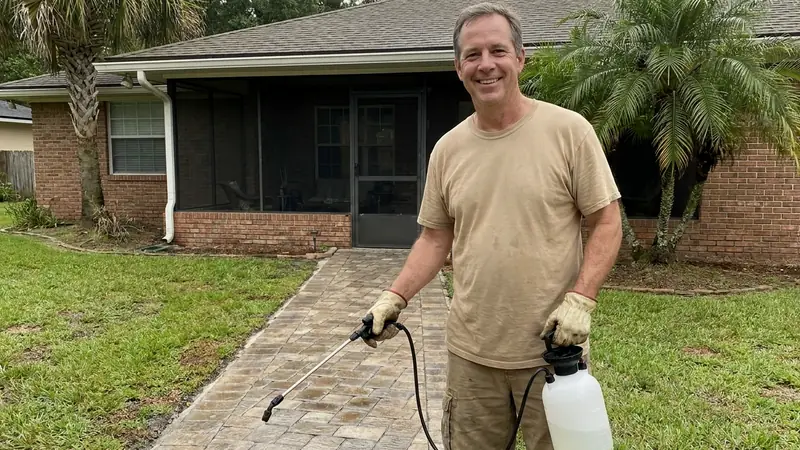
What do sealed pavers look like around Atlantic Beach?
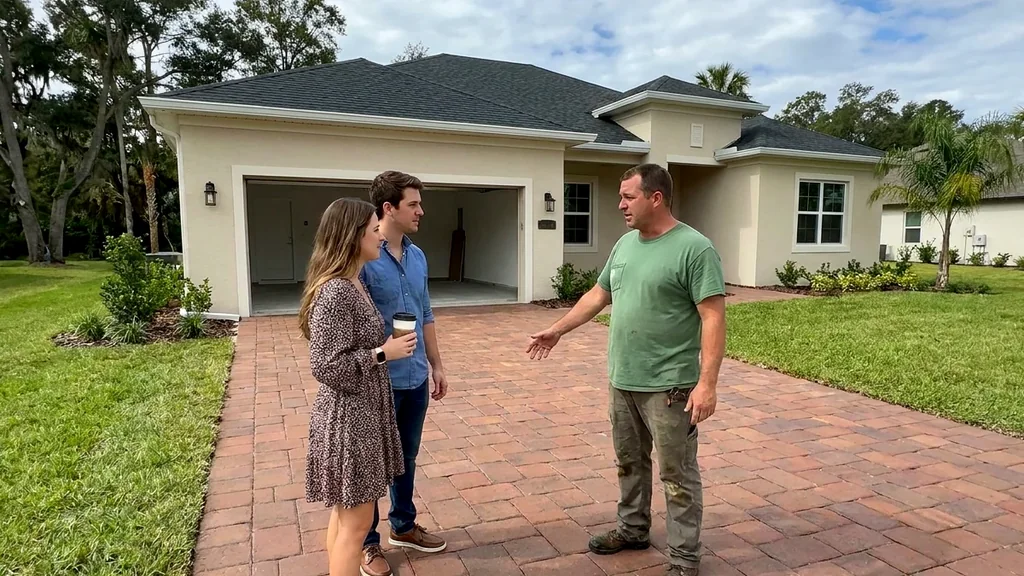
Why local matters in Atlantic Beach
Atlantic Beach has its own rules and its own weather. A contractor who works the beaches knows that water, wind and a 45 percent lot cap shape what owners do. Call (904) 944-6930 and talk through your lot. That local view keeps a quote honest.
Salt is the local detail that a crew from inland can miss. Near the water, sealed pavers may need a rinse now and then, and a local contractor will tell you how often. That advice is worth as much as the coat. To set a visit, ask for your free estimate.
Storm season matters here, since Irma brought a flash flood emergency in 2017. A contractor close by can look at a flooded driveway quickly and say what needs doing. You can ask for your free estimate and ask about timing.
How did Atlantic Beach grow into the town it is today?
The town grew from a road. Atlantic Boulevard opened in 1910 to link the beach to Jacksonville, and from 1913 the Atlantic Beach Corporation paved streets and added the first light, water and sewer lines. The city formed in 1957. When Duval County consolidated in 1968, Atlantic Beach voted to stay separate, so call (904) 944-6930 to ask a local contractor about your block.
Today the city has Johansen Park, with a 12-acre canopy and a Heritage Tree, plus Donner Park and Dutton Island Preserve. Naval Station Mayport is close, and the beach is a short drive. Many homes sit within reach of salt water, marsh or old trees. Whichever you have, ask for your free estimate.
Frequently Asked Questions
Is it good to seal pavers in Florida near the beach?
Yes. Salt, sun and heavy summer rain wear unsealed pavers quickly, and sealing slows faded color and joint sand loss. A sealed surface also rinses clean more easily, which helps in Atlantic Beach. Pavers that were never sealed fade, collect green growth and lose sand.
Can pavers be cleaned, sanded and sealed in one visit?
Usually yes. A contractor washes the pavers, lets them dry, refills the joints with fresh sand and then applies sealer. Drying can stretch the work over a couple of days. The contractor can tell you the order of work at the estimate.
How long do paver sealers last near salt water?
A gap of two to five years between coats is the figure companies give. Salt, sun and daily use push a coastal driveway toward the shorter end. Water that stops beading is a sign it is time. The finish you choose changes it too, since a wet look wears into scuffs sooner than matte.
What is the average cost to seal pavers in Atlantic Beach?
Expect the published Northeast Florida range of $1.75 to $3.25 per square foot for a clean, sand and seal. Salt buildup, silt and old sealer can move your price inside that range. A free estimate gives the exact figure. Ask for the price per surface so you can compare it fairly.
Why is paver sealing so expensive?
Prep takes most of the time. One Jacksonville company says every hour of sealing sits on top of 2 to 3 hours of prep. The wash, the sand and the sealer are three jobs, not one. That prep is why a quote can look high next to the cost of a gallon of sealer.
Does a pool deck in Atlantic Beach need a different sealer?
Often it does. A Jacksonville cost guide says film-forming sealers can make pool decks slippery, so most get a penetrating sealer. Ask for the product by name. A penetrating sealer soaks in and keeps the stone looking natural.
Do Atlantic Beach pavers need rinsing after sealing?
Occasional rinsing helps. A paver maker says it removes salt residue and sand, and more often closer to the shoreline. A hose and plain water are the usual tools. Between coats, it keeps the surface looking cleaner.
Will the 45 percent lot coverage rule affect sealing?
Sealing does not add paving, so it is a different question from new coverage. The city counts patios, porches, driveways and sidewalks toward the limit. For new paving, check with the Building Department.
Can the contractor work around my live oak roots?
Yes, and the roots are worth showing them. Sealing over a lifted paver preserves the problem, so raised spots are reset first. Atlantic Beach protects large trees, so any reset should leave the roots alone. The estimate is the place to raise it.
How often should I rinse sealed pavers near the beach?
A paver maker says occasional rinsing removes salt residue and sand, and that it should happen more often closer to the shoreline. Atlantic Beach is a barrier island city, so a rinse every so often is a fair habit. Ask the contractor how often suits your lot.
Is a wet look or matte better at the beach?
Matte is the easier choice, since a wet look shows scuffs sooner and glare is already strong on the coast. A wet look does deepen color, so some owners pick it for a front walk. A test patch lets you see both in real light.
Can sealing help pavers that flooded during a storm?
Sealing can help after the pavers are washed and the joints are refilled. Flood water leaves silt and may wash sand out, so those come first. A contractor can check for sunken spots before any coat goes down.
Ready for a Free Estimate in Atlantic Beach?
Call (904) 944-6930 and tell us about your pavers.
Free, no obligation